
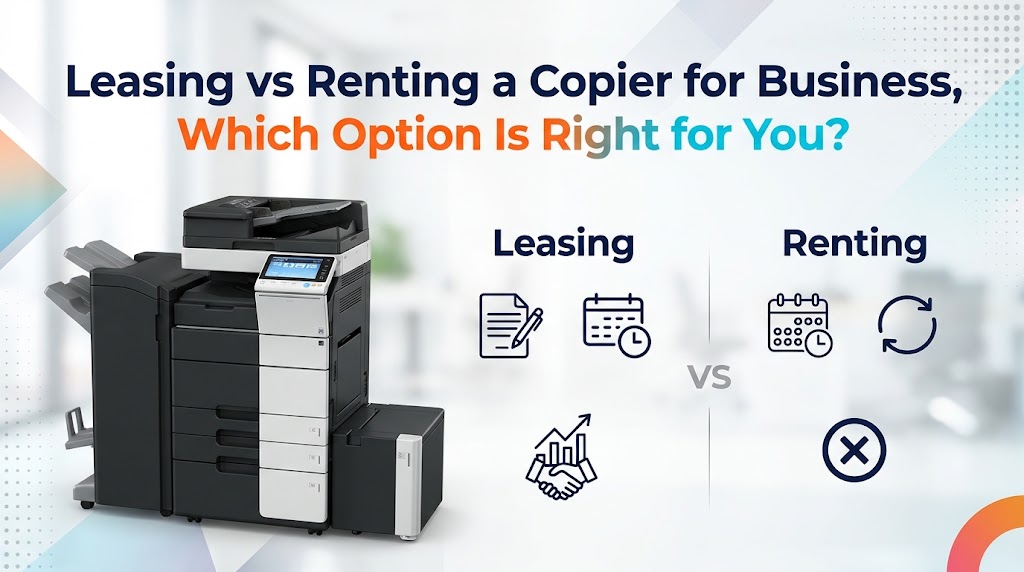
Your office needs a reliable copier, but buying one outright can cost $3,000 to $20,000 or more.* So the real question is leasing vs renting a copier for business: which one protects your budget? The short answer: lease if you need the machine for three or more years, and rent if you need it for a project, an event, or less than a year.
At Clear Choice Technical Services, we service and support copiers every day, and we regularly help businesses that signed a lease without reading the fine print. This guide explains real costs, contract traps, and how to get out of a lease that no longer fits.
TL;DR: Leasing a copier is usually better for long-term, everyday office use (24–60 months), with lower upfront costs and predictable monthly payments. Renting works best for short-term projects (1–12 months), seasonal locations, or when a small business wants maximum flexibility and no long commitment. Clear Choice Technical Services helps match organizations with either a copier lease or a short-term copier rental based on print volume, budget, and ongoing support needs.
Key Takeaways
- A copier lease is a multi-year contract (typically 36 to 60 months) often paired with a service contract covering maintenance and toner.
- A copier rental is a month-to-month or short fixed-term agreement with a higher monthly fee but easy returns and no long obligation.
- Leasing is more cost effective for stable, ongoing use; renting costs more per month but avoids multi-year commitments.
- The average monthly cost to lease a copier for small business use ranges from roughly 50–150 for monochrome devices to 209–349 for full-size color multifunction printers at 45 ppm (figures from Printree’s 2026 lease cost survey).
- Watch for auto-renewals when the lease ends: many contracts require written notice 60–150 days before expiration, or they roll into a new term automatically.
Why Leasing vs Renting a Copier for Business Matters Now
Picture a 30-person company that needs a reliable office copier but does not want to tie up 8,000–15,000 in a purchase. Buying a copier requires a larger upfront investment, so many businesses compare leasing vs renting a copier for business instead. Small to medium-sized enterprises often seek flexible leasing or rental terms that match their cash flow and growth plans.
The choice depends on how long you need the machine, your print volume, and your tolerance for contract commitments. If your team works with the device daily for several years, leasing usually makes the most sense. If you need a new device for a few months with uncertain future printing needs, renting is the smarter move.
Clear Choice Technical Services is a U.S.-based office equipment and managed print partner offering both copier leasing and rental options for Las Vegas businesses and short-term copier rental.
What’s the Difference Between Leasing and Renting a Copier?
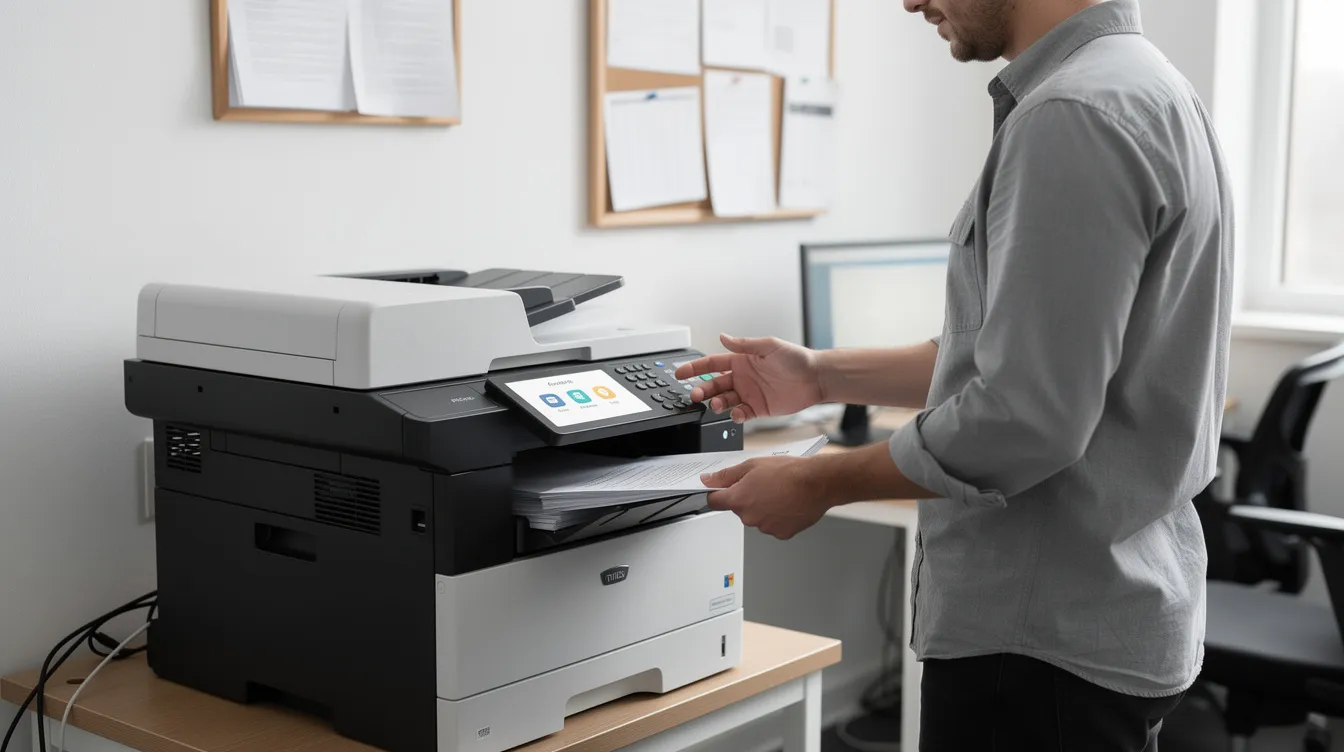
A copier lease is a financing agreement for office copiers and multifunction printers over 24–60 months, with lower upfront costs, fixed monthly payments, and options at the end of the term (return, upgrade equipment, or buyout). A copier rental is a short-term agreement, often 1–12 months, with a higher monthly cost but maximum operational flexibility. Rental agreements for copiers can be as short as day-to-day or month-to-month.
Leasing agreements often include maintenance and repair plans. Service agreements can be paired with both leased and owned equipment, but the level of service coverage (parts, toner, remote IT support) differs and must be checked in writing.
| Factor | Copier Lease | Copier Rental |
| Contract term | 24–60 months | 1–12 months (sometimes 24) |
| Monthly cost | Lower (e.g., 150–349) | Higher (often 30–50% more) |
| Equipment | New, current models | Often older or refurbished |
| Ownership at end | Return, buy out, or upgrade | Return only |
| Flexibility to scale | Limited mid-term | High; add or remove devices easily |
How Much Does It Cost to Lease or Rent an Office Copier?
The multifunction printer lease cost per month depends on speed, color capability, and included page volume. Leasing is cheaper per month than renting if you keep the device for 3–5 years. Leasing can include maintenance costs in monthly fees, and lease payments are typically treated as operating expenses.
Typical cost bands for a copier lease:
- Entry-level monochrome MFP: 50–100/month
- Mid-range color MFP: 150–300/month
- Full-feature 45+ ppm color copier with finishing: 209–349/month (including 5,000 B&W + 500 color pages, service, parts, labor, and toner)
Renting typically incurs higher monthly costs compared to leasing. Copier rental pricing is often bundled with full service and supplies, billed on a minimum monthly volume plus per-page overages (0.01–0.02 per B&W page, 0.06–0.12 per color page). Businesses choosing between leasing and renting should compare total costs over the expected duration of use.
When Is Leasing a Copier the Better Option?
Leasing is best when you need a core office printer or copier for at least three years, want lower upfront costs compared to buying, and prefer predictable budgeting with up to date equipment. Leasing provides fixed monthly costs for easier budgeting and allows access to the latest copier technology regularly. Many businesses prefer leasing for this reason.
Leased equipment typically offers guaranteed parts availability, and regular inspections are included in many leasing contracts. Leasing reduces downtime with comprehensive maintenance support, and provider-led repairs for issues such as Toshiba 3530C error code C467 troubleshooting and fixes. Modern copiers include features like cloud integration, and leasing supports regular technology refresh cycles, so the technology lifecycle stays current. Leased copiers can be upgraded every few years, minimizing the risk of using outdated equipment. Copier leases can include technology upgrades at the end of the contract. Leasing provides access to the latest copier models and allows access to newer technology without large investments.
Leasing can enhance tax-deductible savings for businesses, since lease payments are treated as operating expenses for tax purposes. Leasing offers lower upfront costs compared to purchasing; however, contractual obligations for leasing can lead to higher total costs compared to outright buying over the machine’s full life.
Risks to watch: early termination fees (often 75–95% of remaining lease payments), auto-renewal clauses if notice is not sent 60–90 days before the lease ends, and overage charges if volumes exceed agreed thresholds. Clear Choice Technical Services helps clients choose between Fair Market Value (FMV) leases and $1 buyout leases based on cash flow and long-term plans.
When Does Renting a Copier Make More Sense?
Renting is ideal for short-term or uncertain needs. Short-term rentals allow businesses to avoid penalties associated with early termination of leases, even if the monthly price runs higher. Renting a copier offers greater flexibility for temporary business needs, and rentals enable fast deployment for temporary projects or urgent needs.
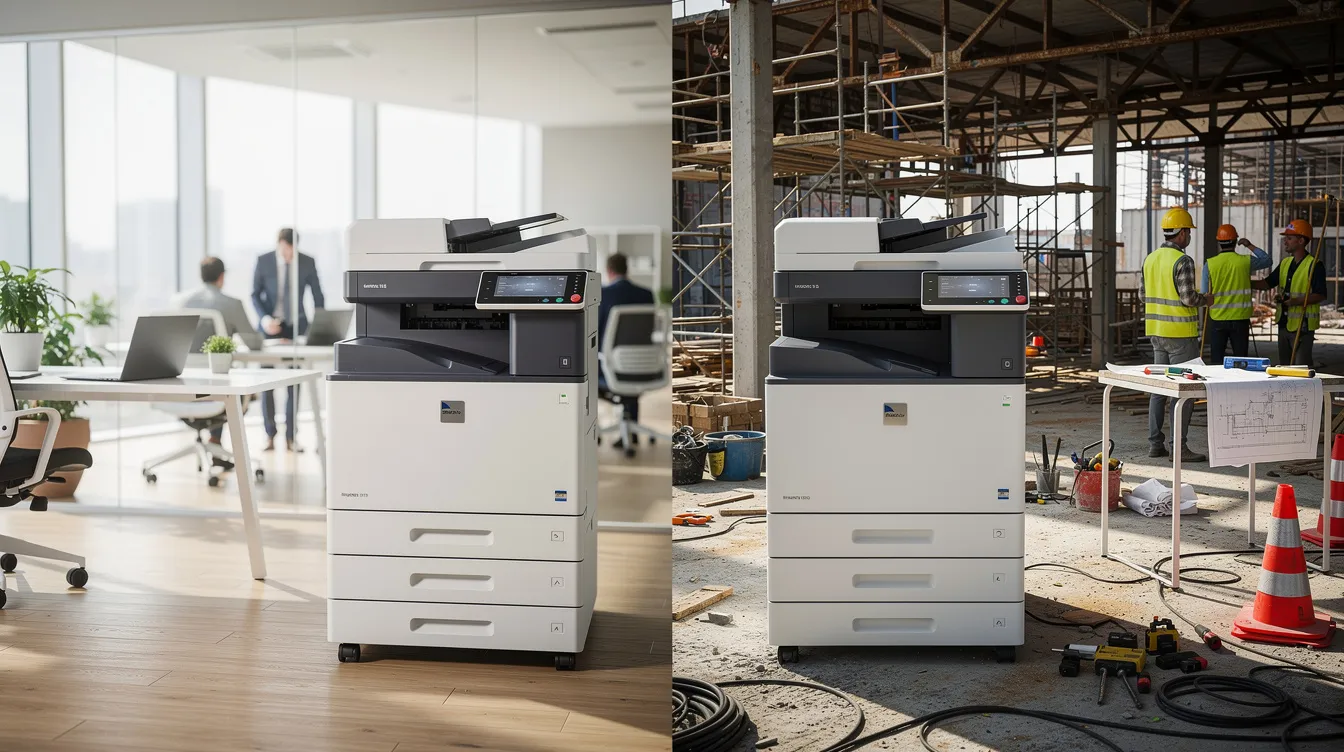
Concrete use cases: a 6-month construction site office, a 3-month tax season expansion, disaster recovery spaces, or pilot locations where long-term occupancy is unknown. Copier rentals typically involve older or refurbished equipment, where support may include resolving technical issues like power problems on a Xerox Altalink C8030, which is only part of the trade-off for maximum flexibility.
Note: renting long-term (over 18–24 months) will generally cost more than leasing the same office printer. Clear Choice Technical Services supports short-term rental clients with onsite setup, remote IT support, and fast equipment swaps.
How to Decide: Lease vs. Rent
Businesses should weigh time frame, expected print volume, budget stability, and flexibility needs before choosing. Here is a simple decision matrix:
- Need the copier daily for 3–5 years? Lease. Lower monthly payments, access to new technology, and bundled ongoing support.
- Need under 12 months or highly uncertain? Rent. No long contract, easy returns, 30-day notice to off-rent.
- 12–24 months and growing fast? Compare both options carefully; a shorter lease or extended rental may fit your print environment and growth plans.
Consider your financial burden and other priorities: your IT team, multiple locations, depreciation schedules, and whether you plan to buy or lease based on your company’s financial horizon, especially if you are evaluating specific devices after reading an HP LaserJet 3055 business-focused review and warning. Clear Choice can review current contracts, meter readings, and invoices to recommend the right choice.
What Happens If You Need to Change or End a Copier Lease or Rental?
Leases are harder and more expensive to exit early than rentals. To end a copier lease early, you typically pay the present value of remaining payments plus any purchase option or return fees. On a 5-year lease one year in at $200/month, the remaining balance alone is $9,600, and early termination penalties can add 7,500–9,000 on top.
Can you get out of a copier lease early without paying? In practice, no; but negotiated buyouts, vendor-assisted upgrades, or rolling the balance into a new agreement can reduce the financial burden. When your copier lease auto-renews, it usually triggers a 12-month extension because you missed the 60–150 day notice window. Calendar that date as soon as you sign.
Rental contracts are simpler: often 30-day notice to return the machine, with fewer penalties. This makes renting safer for short engagements. Clear Choice Technical Services helps clients avoid surprise renewals and plan equipment refreshes before the original lease ends. Local factors, such as those affecting copier leasing decisions in Baltimore, can also influence costs and service options, so regional guidance matters, and reviewing Clear Choice’s locations and service areas can help you understand local support options.
Final Thoughts and Next Steps with Clear Choice Technical Services
For most long-term office environments with stable printing needs, leasing is the more cost effective choice; it keeps your technology current, reduces downtime, and spreads the financial burden into predictable operating expenses. For temporary or uncertain needs, renting is usually safer and more flexible. The difference comes down to length of need, cash flow, print volume, and tolerance for contract commitments.
When weighing leasing vs renting a copier for business, especially those organizations still comparing options, contact Clear Choice Technical Services for a no-obligation assessment of your print environment. Our team works with you to recommend whether a copier lease, a short-term rental, or a maintenance contract paired with owned equipment is the right fit.
Clear Choice Technical Services helps Baltimore businesses compare copier lease and rental options side by side, so you get the right model without overpaying or getting locked into terms that don’t fit. We offer the latest multifunction copiers, transparent monthly pricing, and plain-English contracts with no surprise auto-renewals.
Not sure which machine fits your print volume? Ask us for a free demo trial and test it in your office before you commit.
Call Clear Choice Technical Services of Baltimore at (410) 220-5299 for a free quote today.